Katherine Parr: The Queen Who Chose Love – and Changed History
Katherine Parr is often remembered as the sixth and final wife of Henry VIII—the one who “survived.” But that summary doesn’t begin to capture the life and legacy of this remarkable woman. Scholar, reformer, and quiet revolutionary, Katherine Parr was far more than just a royal spouse.
Born in 1512 to a well-connected, intellectual family, Katherine was highly educated for a woman of her time. She spoke several languages, had a deep interest in religion, and was passionate about education – especially for women. She would later use her influence as queen to promote religious reform and push the boundaries of what women could say, read, and write in public life.
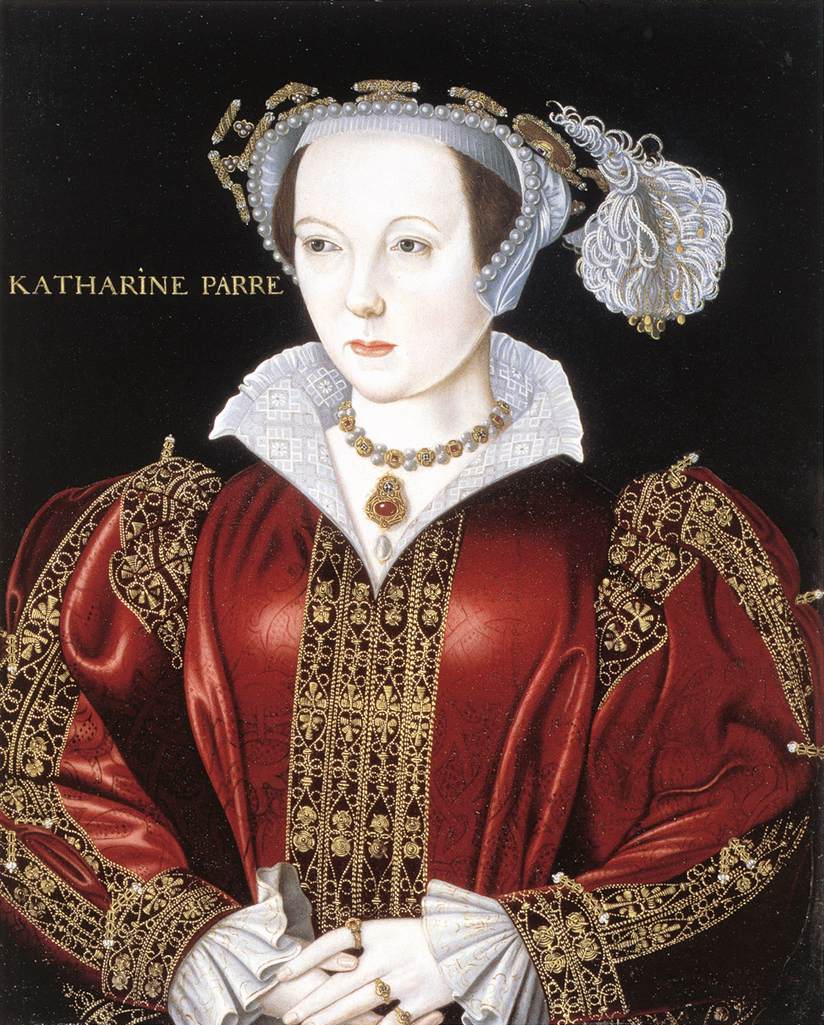
By the time she caught the king’s eye in 1543, Katherine had already been widowed twice. Her second husband, Lord Latimer, left her with political experience and a strong sense of diplomacy. During this time, she became close to Thomas Seymour, a charming courtier and brother of Jane Seymour, Henry’s third wife. Their bond may have grown into love, but when Henry proposed, Katherine set aside personal happiness for the safety and duty of queenship.
As queen, Katherine played a central role in court life and served as a mother figure to Henry’s three children: Mary, Elizabeth, and Edward. She helped restore the girls to the line of succession and encouraged their education. Elizabeth, in particular, was greatly influenced by Katherine’s scholarly mindset and religious devotion.
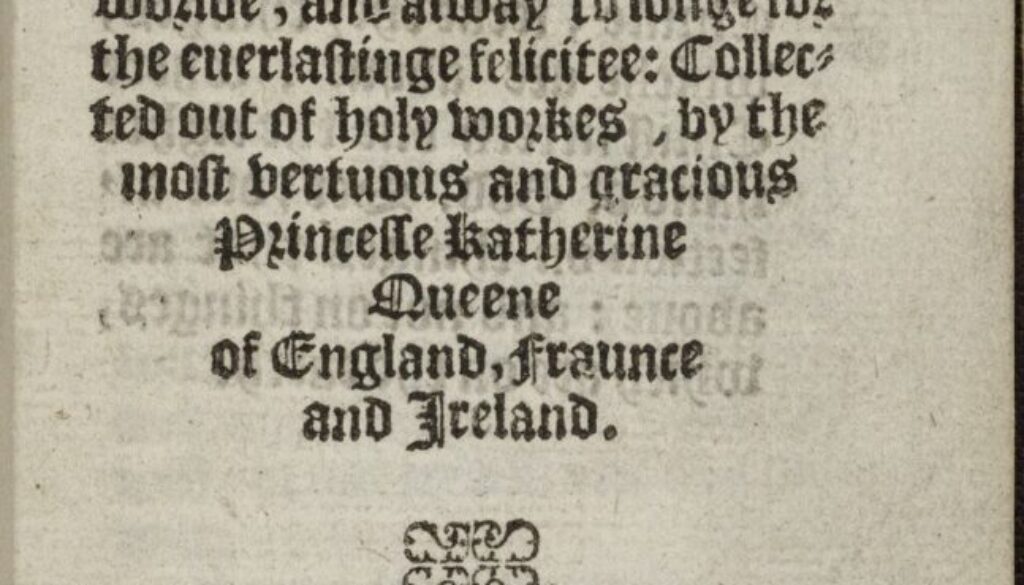
Katherine was also the first English queen to publish a book under her own name. Her writings argued that women should be allowed to read scripture and think for themselves – bold ideas for a time when women were expected to stay silent on religious matters. Her work made her a quiet pioneer for women’s rights in the 16th century.

When Henry died in 1547, Katherine finally reunited with Thomas Seymour. They married in secret, and for a brief moment, she lived the love story she had once sacrificed. But their happiness was short-lived. Katherine died in 1548 shortly after giving birth to their daughter, Mary.

Though she was a widow three times over, Katherine Parr left behind more than just a title. She helped shape future queens, opened intellectual doors for women, and showed that even in a man’s world, a woman’s voice could echo through history.